

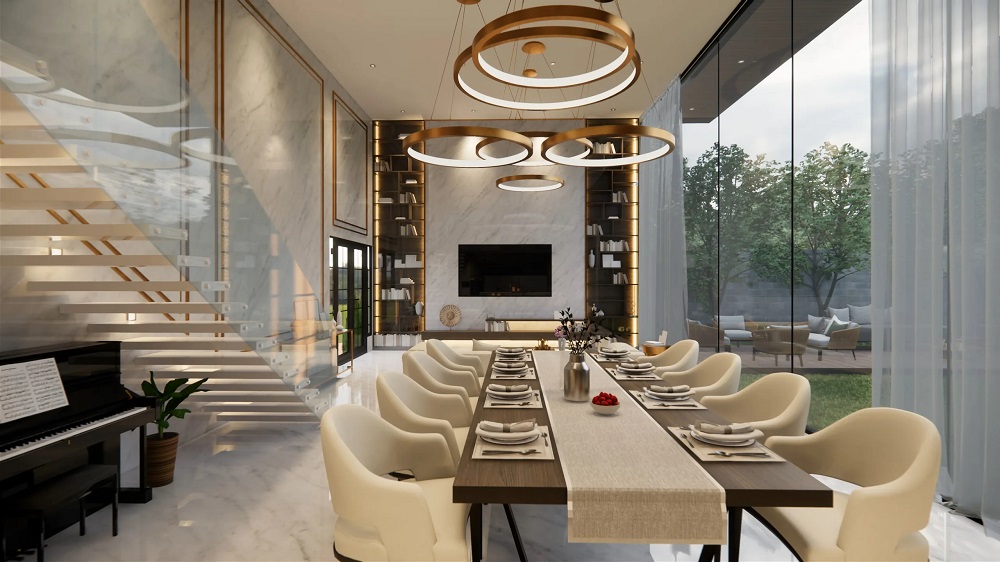
The global luxury real estate market is undergoing a profound structural shift. For decades, the high-end property sector was defined by a predictable formula centered on square footage, prestigious zip codes, and grand architectural ornamentation. High net worth individuals historically prioritized external displays of opulence, seeking out properties that functioned primarily as static symbols of wealth.
In the modern real estate landscape, that traditional framework is rapidly becoming obsolete. The definition of luxury has transformed from an aesthetic of conspicuous consumption into an ecosystem focused on personal well-being, functional technology, carbon responsibility, and absolute privacy. Driven by an expanding population of ultra high net worth individuals, digital entrepreneur liquidity, and institutional investment, the premium residential sector is entering a phase of mature, deliberate value creation. The future of luxury real estate is no longer about how much a home showcases, but how effectively it enhances the daily living experience of its residents.
The Shift from Opulence to Functional Wellness Architecture
One of the most significant evolutions in the high-end property sector is the transition toward wellness-centric design. Affluent homebuyers are no longer satisfied with standard premium add-ons like a basic fitness room or a standard lap pool. Instead, they demand that the physical structure of the home actively supports their physical and mental health.
Biophilic design, which integrates natural elements directly into urban architecture, has transitioned from a niche design trend into a baseline expectation. Luxury properties now feature extensive indoor vertical gardens, advanced water filtration networks, and automated air purification systems that cycle clean air silently throughout the home. Furthermore, circadian lighting systems that automatically adjust color temperatures to match the human biological clock are frequently integrated into master suites to optimize sleep quality and hormone balance.
Spatial layout preferences have also adapted to a hybrid lifestyle. The demand for massive, formal dining rooms and cavernous reception halls has declined in favor of highly functional, multi-zone environments. Modern luxury buyers prioritize dedicated, sound-insulated work-from-home sanctuaries, private wellness wings equipped with cryogenic therapy chambers, infrared saunas, yoga decks, and expansive outdoor terraces that blend seamlessly with indoor living spaces. Privacy-focused architecture that shields residents from drones, street view, and neighbors has become a paramount structural requirement.
The Rise of Branded Residences and Managed Ecosystems
The ultra-luxury market is witnessing unprecedented demand for branded residences. These are premium residential developments co-developed and managed in partnership with elite global hospitality brands, such as the Four Seasons, Ritz-Carlton, St. Regis, and Aman. This segment has grown rapidly as affluent buyers seek to replicate the flawless service and security of a five-star resort within their permanent homes.
Branded residences appeal directly to globally mobile buyers who value time and convenience above all else. Owners gain access to custom, round-the-clock concierge services, private aviation lounges, residents-only fine dining establishments, and curated cultural programming. The administrative burden of property management, security, landscaping, and maintenance is handled entirely by the hospitality brand, allowing owners to move effortlessly between global properties without logistical friction.
Beyond personal convenience, branded residences offer substantial investment stability. These properties command a notable pricing premium over non-branded luxury projects in the same neighborhood, driven by the verified track record of the developer and the enduring reputation of the hospitality brand. For institutional investors and family offices, these managed campuses represent high-quality tangible assets that attract premier rental tenants from the global consulting, tech, and diplomatic sectors.
Artificial Intelligence and Integrated Intelligent Automations
Technology in luxury homes has evolved far beyond basic remote-controlled lighting or automated window treatments. The future of premium real estate relies on fully integrated, artificial intelligence-driven home automation platforms that function as an invisible, predictive butler.
Modern luxury properties utilize machine learning algorithms that continuously monitor and learn the daily preferences of the residents. The system automatically adjusts indoor climate zones, ambient music, lighting configurations, and even aromatherapy diffusers based on the time of day, external weather patterns, and the specific occupant in the room. This predictive energy management not only elevates comfort but also optimizes the carbon footprint of large estates by automatically powering down vacant zones.
Security infrastructure within the ultra-high-end segment has also integrated advanced technological solutions. Standard security codes and physical keys have been replaced by multi-tiered biometric access points, including advanced facial recognition entry, encrypted iris scanners, and perimeter thermal imaging systems. High-speed connectivity infrastructure is built directly into the architectural shell of the building, ensuring zero dead zones and providing a stable foundation for complex digital asset management within the residence.
Global Wealth Redistribution and Evolving Macro Markets
The geographic layout of the luxury real estate market is shifting due to changing tax policies, geopolitical dynamics, and currency fluctuations. Traditional core markets like New York, London, and Singapore continue to attract institutional wealth, but a smaller group of globally connected wealth hubs is experiencing historic growth.
For instance, cities like Tokyo have experienced massive surges in luxury real estate investment, driven by favorable currency dynamics, low borrowing costs, and a reputation as a safe, culturally rich environment for foreign capital. Similarly, Dubai continues to expand its premium residential footprint by utilizing progressive residency-by-investment programs, such as the Golden Visa, which directly routes international wealth into the luxury sector.
Concurrently, there is a distinct movement toward Tier-2 cities and premium vacation markets. Wealthy buyers are increasingly allocating capital toward luxury second homes in scenic, low-density regions that offer a superior balance between growth potential and livability. This trend has fueled luxury villa developments in coastal regions and mountain retreats, where developers focus on low-density planning and extensive natural footprints rather than high-rise urbanization.
Sustainability and Eco-Luxury Baselines
Environmental responsibility is no longer viewed as a compromise to luxury; it is now recognized as the ultimate expression of sophisticated engineering. The modern affluent demographic actively questions the ecological impact of their real estate holdings, forcing developers to implement radical sustainability credentials.
Future luxury campuses are increasingly striving for carbon-neutral or net-zero operational status. This is achieved through the architectural integration of high-efficiency solar arrays, advanced rainwater harvesting networks, geothermal heating systems, and the utilization of locally sourced, non-toxic construction materials. Premium properties are thoroughly vetted for green building certifications before capital is deployed.
This commitment to eco-luxury extends to the logistical infrastructure of the property. Expansive multi-car subterranean garages are now expected to feature high-output electric vehicle charging ports for every parking bay. By aligning architectural luxury with environmental stewardship, modern developers ensure that high-end estates retain their market value and regulatory compliance over long operational horizons.
Frequently Asked Questions
What constitutes a fractional ownership model in luxury real estate?
Fractional ownership allows multiple affluent buyers to purchase a specific share of a luxury property, typically a high-end vacation estate or villa. Unlike standard timeshares, fractional ownership grants the buyer a deeded, equity-based share of the physical asset. This model allows co-owners to split operational maintenance costs and enjoy guaranteed usage blocks throughout the year, making it a highly efficient strategy for managing secondary global residences.
How do luxury real estate transactions handle currency risk during international acquisitions?
International buyers frequently mitigate currency volatility by utilizing specialized cross-border financial structures, including forward contracts and escrow accounts denominated in stable currencies. In some mature markets, high-end developers also offer currency-pegged pricing models to shield international investors from sudden devaluations between the signing of the initial contract and the final property transfer.
What is the difference between a high-end single-family home and an ultra-luxury townhouse?
Single-family luxury homes are detached structures that offer maximum space, extensive private acreage, and total structural autonomy for the owner. Ultra-luxury townhouses are multi-story attached residences situated within dense urban cores. While townhouses offer less private land, they compensate by providing vertical space, historic architectural prestige, and immediate proximity to metropolitan cultural and financial centers.
How do green building certifications impact the resale value of a premium property?
Properties carrying elite green building certifications experience faster sales cycles and command distinct pricing premiums upon resale. Modern affluent buyers view these certifications as a verified guarantee of superior construction quality, lower ongoing utility expenditures, and full protection against future local carbon tax penalties, making them highly resilient long-term investments.
What administrative role do family offices play in the acquisition of high-end real estate?
Family offices manage the comprehensive financial portfolios of ultra high net worth lineages. When acquiring luxury real estate, the family office handles the quantitative underwriting, coordinates tax-efficient legal structures like trusts or limited liability companies, conducts thorough environmental due diligence, and oversees the long-term asset management to ensure the property aligns with generational wealth preservation goals.
Why do luxury developments prioritize lower density over maximum unit capacity?
Lower density planning is a key differentiator that preserves exclusivity and privacy. By reducing the total number of units within a development, builders can allocate larger portions of land to open green spaces, extensive wellness amenities, and private entryways. This layout minimizes foot traffic, enhances the tranquility of the environment, and allows the remaining residences to command significantly higher individual market values.
About the Author